


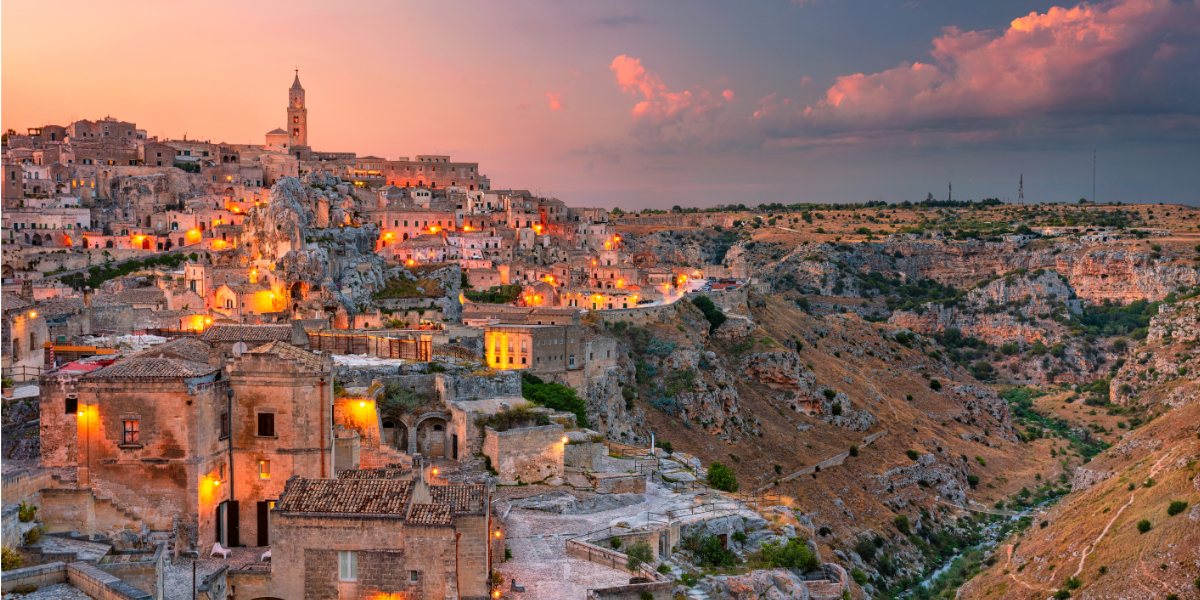
Continued interest in Italian holiday homes
-
General
-
Process
-
Italy
In addition to a holiday home in Portugal, Spain or France, interest in a second home in Italy continues to grow. Those who invest in real estate in la bella Italia do so mainly out of love for the country.
Continued interest in Italian holiday homes
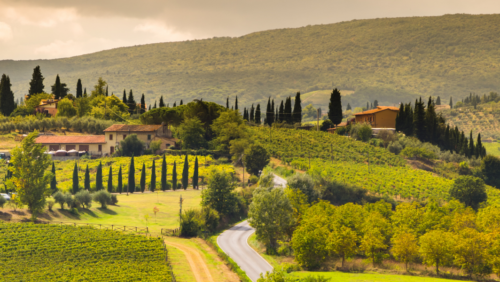
In 2016, prices on the Italian real estate market fell by 1.4% while holiday home prices soared. Despite the political crisis and the 2016 earthquakes, demand for houses remains high. This is because the audience looking to buy property in Italy is very specific: they are in love with the country, its culture, language and gastronomy. Central Italy (Umbria, Le Marche) is particularly in demand, with Tuscany topping the list.
There is a price tag attached to this, which is increasing due to the shrinking supply. If you are interested in this region, don’t wait too long. Also in northern Italy, around Lake Como and Lake Garda, demand is high and supply limited, resulting in rising prices. There is also increasing interest in property in the ski resorts of the Italian Alps.
Buying a house in Italy
Buying a property in Italy proceeds similarly to in the Netherlands, with a preliminary sales agreement and a notarial transfer deed. However, the role of the estate agent is different. While a Dutch estate agent looks after the seller’s interests first and foremost, an Italian estate agent is an independent intermediary who provides services to both parties and thus also charges a commission to both.
Another difference from the Dutch procedure is the advance payment. With us, when the sales agreement is signed, an advance is usually not paid. In Italy, the advance payment is between 20 and 30%. If the buyer does not proceed with the purchase, he loses the advance. If the seller withdraws, he has to pay damages to the buyer that are double the amount of the advance.
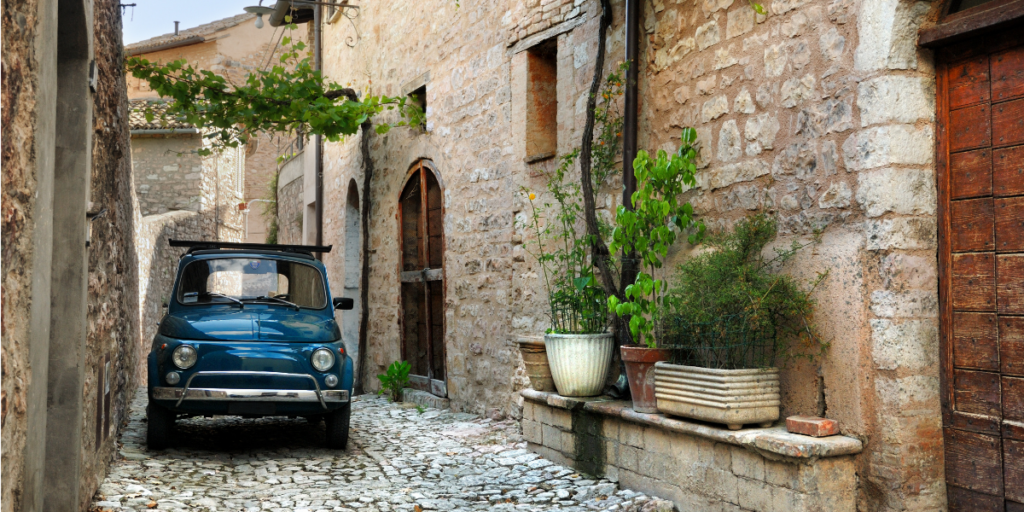
VAT and taxes when buying a holiday home in Italy
When you buy property in Italy, you pay one-off taxes. When selling a new building by a property developer, as a buyer you pay VAT. This amounts to 10% on the agreed price. In addition, you have to take into account notary, registration and estate agent fees. These costs add up to around 14% in total.
If you buy an existing property, you will pay a transfer tax of 9%. This is calculated on the cadastral value, which is usually 20% to 40% of the economic value. Besides one-off taxes, as a property owner in Italy, you also pay annual taxes. Usually, the municipal property tax is lower than in the Netherlands. If you sell the holiday home within 5 years of purchase and realise a capital gain on it, you have to pay tax. The capital gain is then considered income.
A list of articles
-
Buying a house in Italy: legal aspects
-
Italy
-
Process
-
Tax/legal
-
-
Buying a house in Piedmont: the hidden treasure
-
Italy
-
Process
-
-
The tax climate for second homeowners in Italy
-
Italy
-
Process
-
Tax/legal
-